Physiology
Understand adaptation, load, sleep, and age-related changes without reducing a complex body to a single metric.
Explore physiologyMastering the nuances of male physiology for sustained high performance.
Perma is an independent editorial resource for men aged 35 and beyond who want clearer context around cardiovascular capacity, functional movement, recovery, and the changing physiology of training.
Read our perspective
Understand adaptation, load, sleep, and age-related changes without reducing a complex body to a single metric.
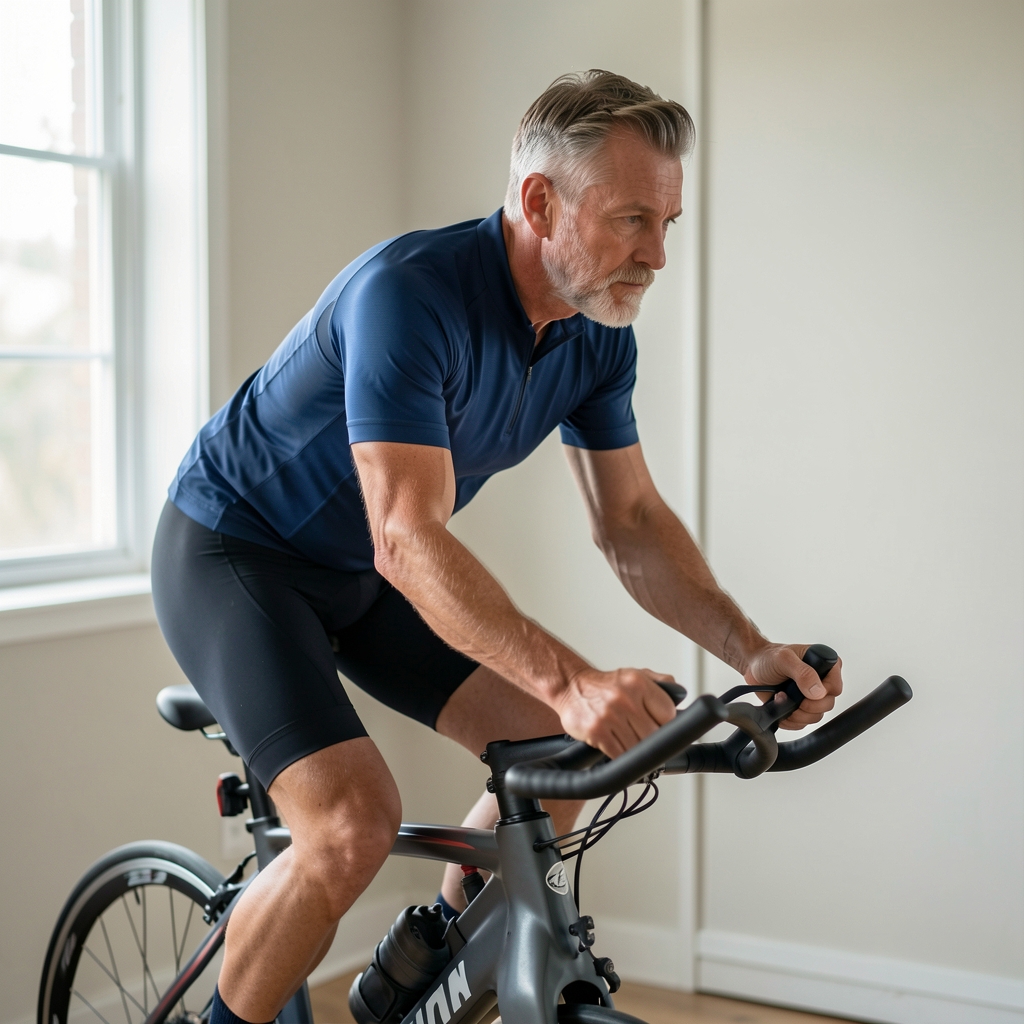
Explore physiologyRead practical explanations of aerobic base, threshold work, pacing, and the role of consistency in endurance.
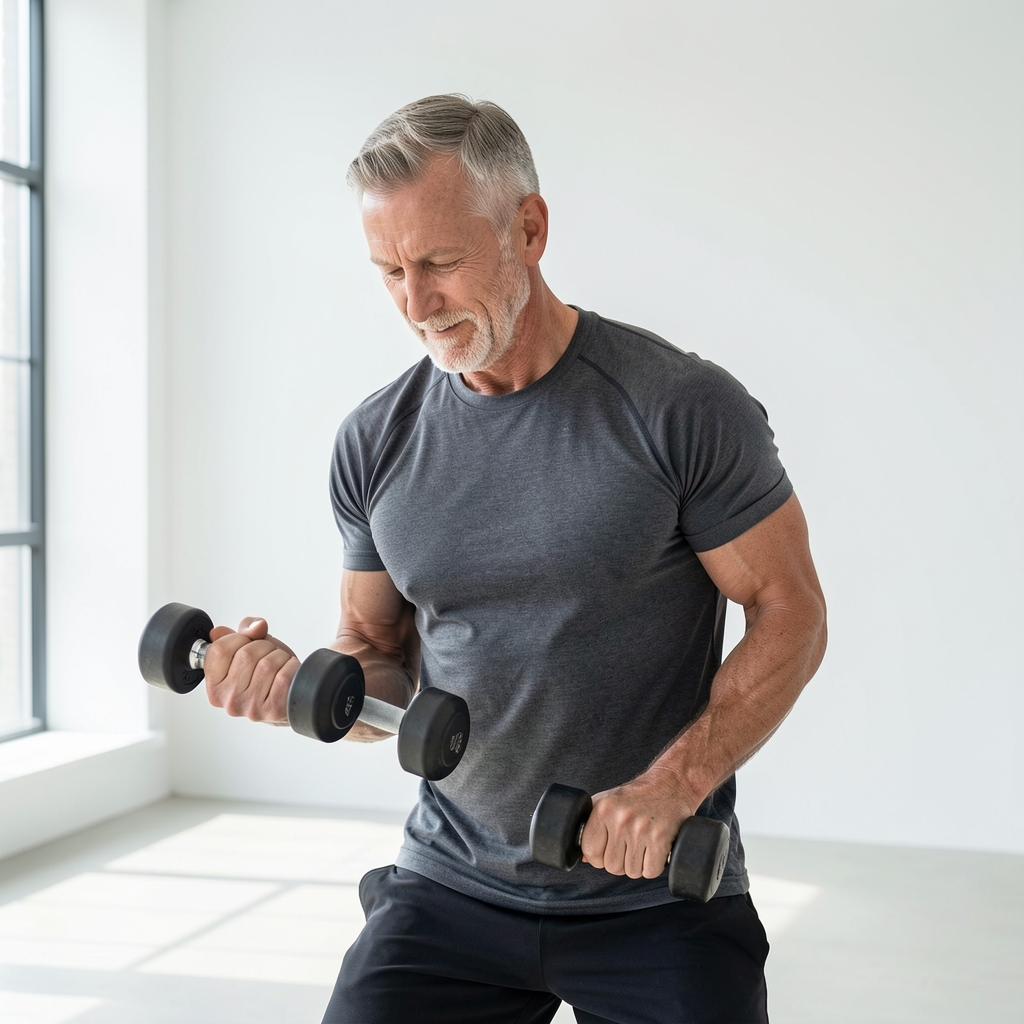
Explore staminaConnect strength, balance, mobility, and everyday capacity through adaptable training ideas.
Explore movement
Breathing, strength, coordination, sleep, and daily stress rarely operate in isolation. Our guides place training decisions in that wider context, with language designed to inform rather than prescribe.
From a morning walk in Jakarta to a structured gym session, the useful question is often how the pieces fit together.
See our methodology| Lens | What it considers | Helpful question |
|---|---|---|
| Capacity | Breathing, pace, and repeatable effort | What feels sustainable today? |
| Strength | Control, range, and force production | Where does movement feel stable? |
| Recovery | Sleep, rest days, and perceived readiness | What signal deserves attention? |
| Context | Work, travel, climate, and routine | What can fit this week realistically? |
Record how effort, balance, and energy feel across ordinary sessions.
Compare the pattern with sleep, workload, terrain, and recent changes.
Change one variable at a time so the effect remains easy to understand.
Keep the observations that help you build a clearer, more sustainable routine.
“A mature training practice is not defined by constant intensity. It is defined by attention: to the signal, to the setting, and to what can be repeated with care.”
— Perma editorial principle, Jakarta, 2026
Use age as context rather than a fixed limit. Observe recovery, movement quality, and how different forms of effort fit your current life.
They are distinct training emphases, but a balanced week can make room for both. The right arrangement depends on goals, schedule, and experience.
A brief note on the session, perceived effort, sleep, and any unusual stiffness is often more useful than a long list of isolated numbers.
Individual guidance can help when a goal, schedule, or recurring concern needs more context than a general article can provide.
How steady effort can sit alongside strength, mobility, and a full working life.
A field note on sleep rhythm, perceived effort, and making room for adaptation.
Why control and confidence matter when movement leaves the gym floor.
Online editorial roundtable about context, consistency, and useful notes.
Event detailsA guided discussion about walking, climate, and functional capacity in Jakarta.
Event detailsA quiet review of the questions and ideas that shaped the 2026 journal.
Event detailsExplore the Perma library, compare perspectives, and keep the ideas that fit your own training context.
Browse the resource library